Cost control
What is SaaS Management? The 2026 Guide
SaaS management is how teams track, govern, and optimize the software stack across spend, usage, access, and renewals. This guide breaks down what it includes in 2026, why it matters, and how to implement it without turning operations into a bureaucracy.


12 min. read
TL;DR: SaaS management in 2026
What SaaS management actually is
SaaS management is the practice of discovering, governing, and optimizing all SaaS tools across a business. It connects usage, cost, access, and ownership so software is controlled intentionally, not by accident.
Why it’s no longer optional
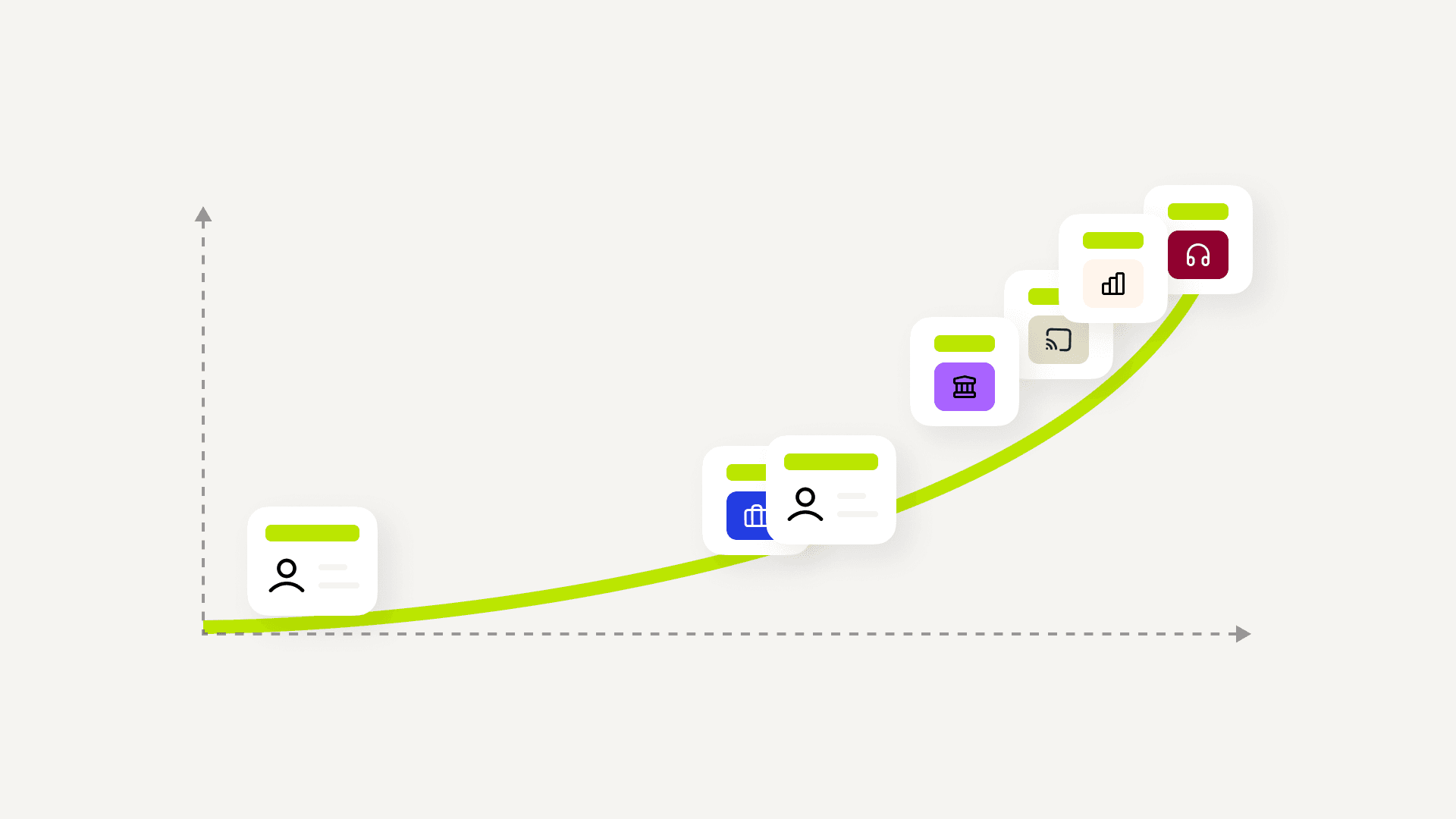
Modern B2B companies run on dozens or hundreds of SaaS tools. Without SaaS management, organizations overspend on unused licenses, accumulate shadow IT, and expose themselves to security and compliance risk.
Who needs what
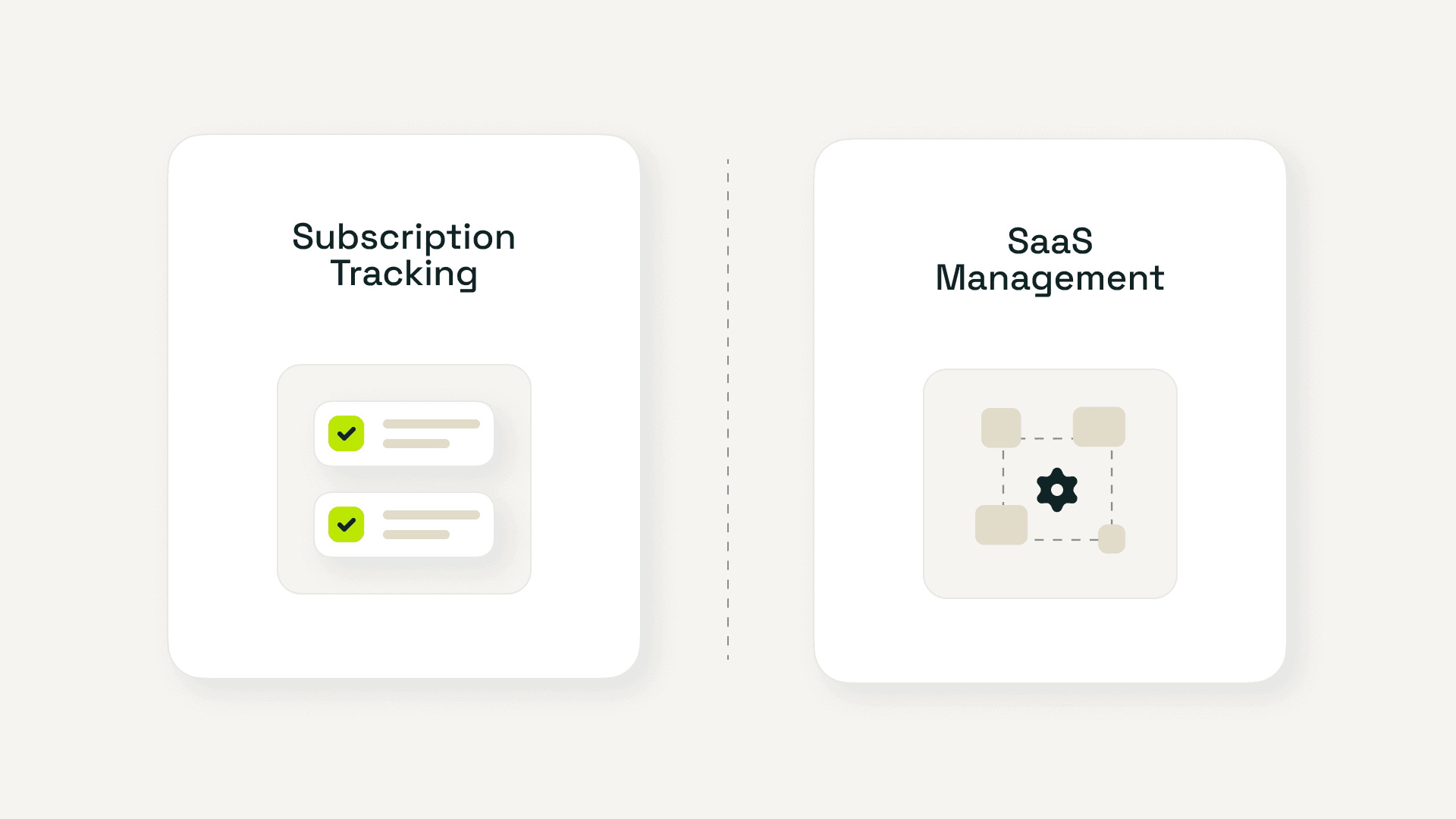
Startups and small teams benefit most from lightweight subscription tracking and renewal control. Mid-market and enterprise teams require full SaaS management platforms to handle scale, governance, security, and optimization.
The bottom line
SaaS sprawl is not a tooling problem. It is a management problem. Companies without visibility and ownership leak budget, increase risk, and slow themselves down.
Immediate action
If your team is growing and renewals are starting to surprise you, start by learning how to find hidden monthly subscriptions, then centralize renewals in Subsight. Early SaaS control is far cheaper than late-stage cleanup.
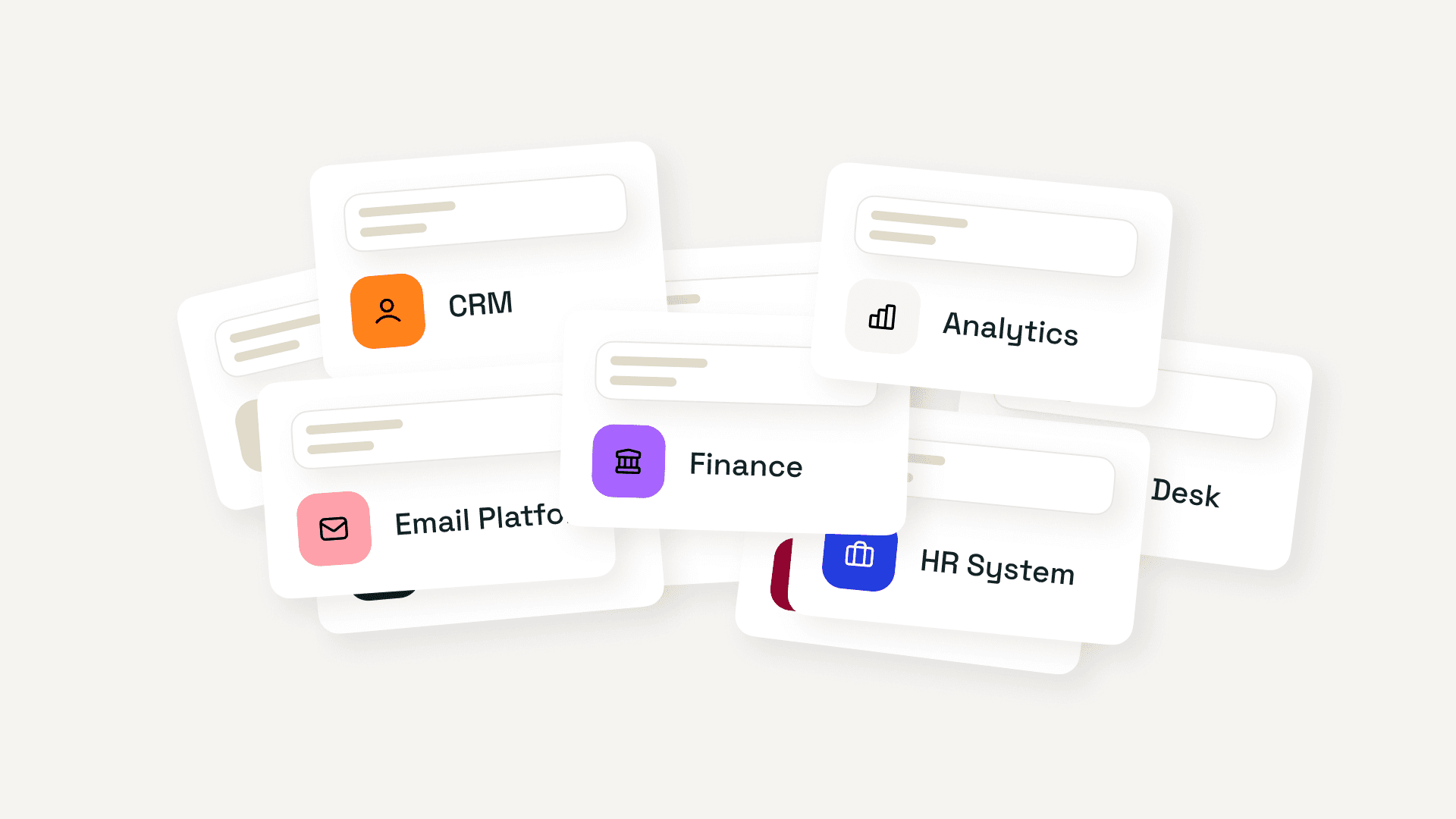


Track your SaaS spend
Get full visibility into subscriptions, owners, and upcoming renewals.


Still tracking this manually?
Subsight automatically maps your tools, owners, and renewal timelines in one place.

Pro Tip: Start discovery with two signals that rarely lie: card spend and SSO access logs. If a tool shows up in payments or sign-ins, it belongs in your inventory, even if nobody “owns” it yet. Assign an owner before you decide whether to keep, consolidate, or kill it.
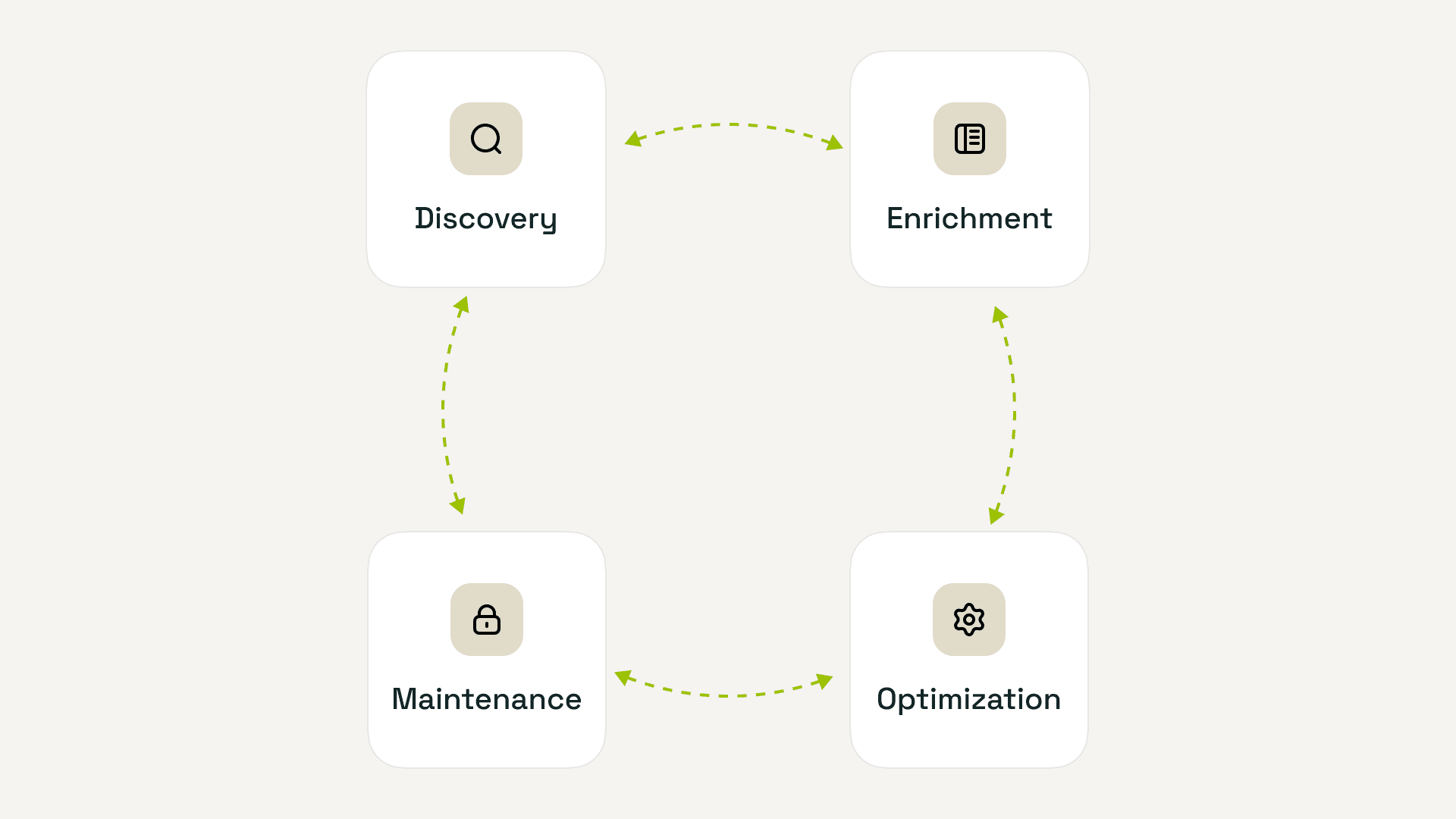
The goal is not perfection on day one, but coverage. At the end of this phase, there should be a credible answer to a basic question: what software do we actually use.
Phase 2: Onboarding and enrichment
Once applications are discovered, they need context. Each tool should be assigned an owner and enriched with basic metadata.
This includes contracts, renewal dates, billing terms, and usage signals where available. Ownership matters here. Without a responsible owner, applications drift back into neglect.
This phase turns a raw list into something operational.
Phase 3: Optimization and governance
With visibility and ownership in place, optimization can begin.
Unused licenses are removed. Redundant tools are evaluated and consolidated. Renewal decisions are reviewed using real usage data rather than assumptions. At the same time, governance mechanisms such as approval flows, access policies, and security standards are introduced.
The goal is to reduce waste while preventing it from reappearing.
Phase 4: Continuous maintenance
SaaS management is ongoing. New tools will be adopted, teams will change, and usage patterns will shift.
Continuous maintenance means monitoring usage, reviewing access regularly, auditing contracts, and adjusting policies as the organization evolves. When this phase is ignored, SaaS sprawl returns. When it is maintained, control becomes routine rather than reactive.
SaaS management by company size
SaaS management looks different depending on scale. The problems are the same, but their intensity changes as organizations grow.
Startups and small teams
For early-stage teams and small businesses, the main risk is not complexity but neglect. Tools are added quickly, often by founders or early hires, and rarely revisited.
At this stage, lightweight subscription tracking is usually enough, and Pricing should stay proportional to your team’s scale. The priority is knowing what tools exist, who owns them, and when they renew. Basic cost visibility and renewal control prevent the most common early mistake: paying for software long after it stopped being useful.
The goal is to build good habits before SaaS sprawl sets in.
Mid-market organizations
Mid-market teams feel the transition from simplicity to sprawl. SaaS stacks expand as teams specialize and headcount increases.
Ownership becomes unclear. Tool overlap increases. Finance struggles to forecast spend, and security loses full visibility into where data lives.
Here, SaaS management shifts from tracking to governance. Automated discovery, usage monitoring, and standardized approval processes become necessary to maintain control without slowing teams down.
Enterprises
Enterprises operate at a different level of complexity. Hundreds of applications, thousands of users, and regulatory requirements make informal management impossible.
At this scale, SaaS management prioritizes security, compliance, and operational resilience. Access must be tightly controlled, auditability must be built in, and integrations with identity, finance, and governance systems are essential.
For enterprises, SaaS management is not just about efficiency. It is about maintaining control in an environment where failure scales quickly.
SaaS management as a strategic capability
SaaS is no longer just how software is delivered. It is how modern organizations operate.
As subscriptions replace traditional software, the ability to manage SaaS effectively becomes a strategic differentiator. Organizations with clear visibility into their SaaS stack can make faster decisions, allocate budgets more accurately, and respond to change without disruption. Those without it are forced into reactive mode, dealing with overruns, renewals, and risks after the fact.
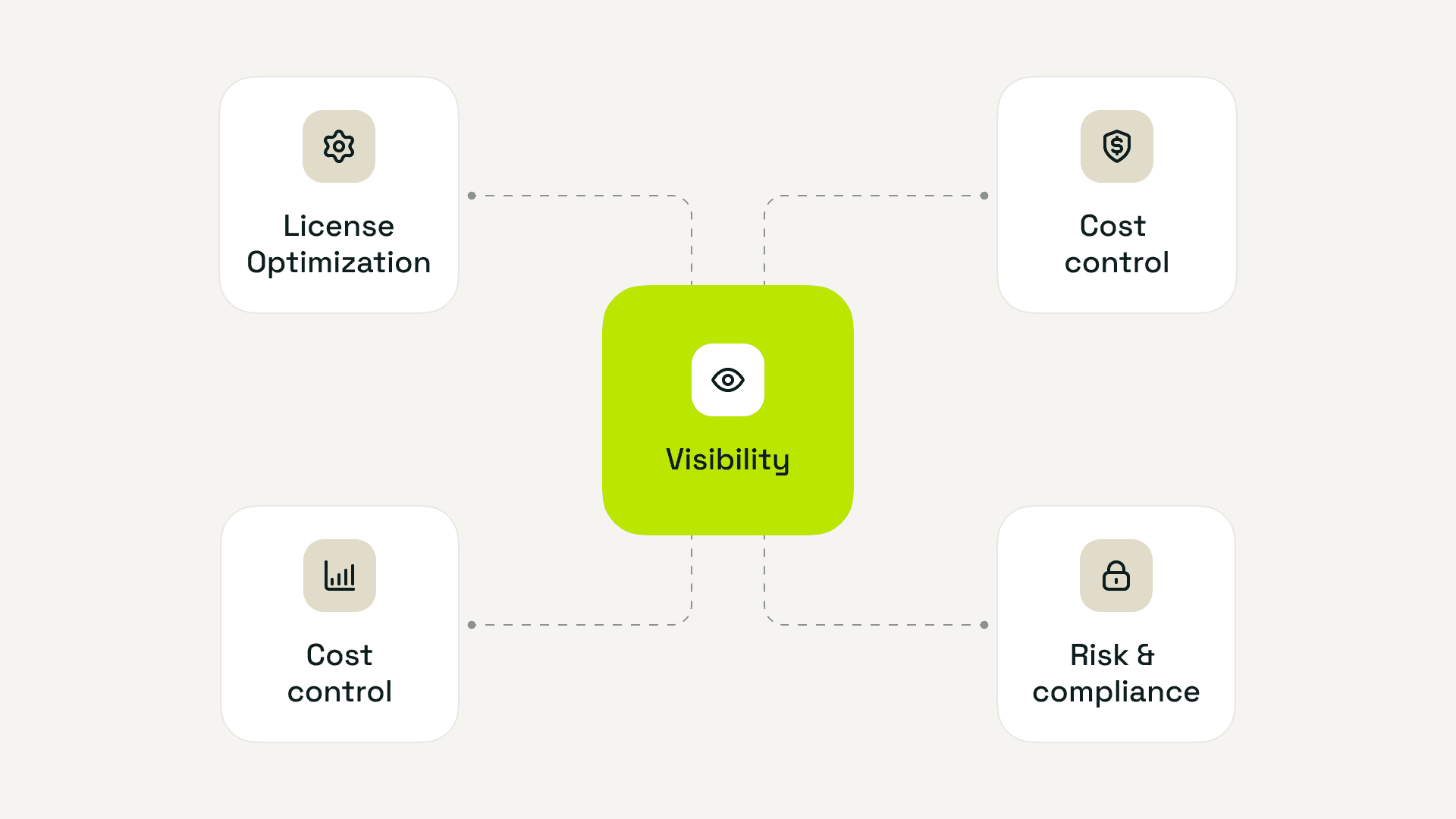
SaaS management creates leverage in three critical areas.
First, cost control becomes proactive. Spend is tied to usage, renewals are intentional, and software budgets are predictable rather than surprising.
Second, risk is reduced by design. When every application has ownership and access is governed, security and compliance stop relying on cleanup and start relying on prevention.
Third, organizational agility improves. Teams can adopt new tools when needed because there is a system in place to evaluate, govern, and integrate them. Speed is preserved without sacrificing control.
In a SaaS-first world, strategy is no longer just about which tools you choose. It is about how well you manage them once they are in place.
The 2026 SaaS reality
SaaS management is not a one-time initiative. It is an ongoing discipline that has to keep pace with how software is adopted, used, and changed inside modern organizations.
The difference in 2026 is not whether companies use SaaS, but whether they control it. Reactive cleanup happens after budgets are blown, contracts have renewed, and risks have already surfaced. Proactive SaaS management prevents those problems from forming in the first place.
The organizations that succeed in a SaaS-first world are not the ones with the most tools. They are the ones with clear ownership, real visibility, and the discipline to make software decisions intentionally.
When SaaS is managed well, it stops being an operational liability and becomes a quiet advantage that compounds over time.

Take control of your SaaS stack
Stop guessing. Know exactly what you’re paying for and who owns it.
Frequently asked questions
What is the difference between SaaS management and SaaS spend management?
What is the rule of 40 in SaaS?
Is SaaS a CRM system?
What does a SaaS manager do?
Do small teams really need SaaS management?


Petras Nargela

Petras is the Founder of Subsight and a veteran entrepreneur with over 10+ years of experience building and scaling digital ventures. Over the past decade, he has co-founded several successful companies that generate 7-figure annual revenue, including a Shopify app studio and a digital agency. Having managed the complex financial stacks of multiple high-growth businesses, he built Subsight to solve the "SaaS leakage" problem he experienced firsthand. He now helps B2B teams turn software chaos into a strategic, automated advantage.